This content was aggregated from local dealer and data and insights provided by the USA Today Network Automotive Insights team using Google Gemini and the Vehicles for Sale Near Lansing marketplace writing team.
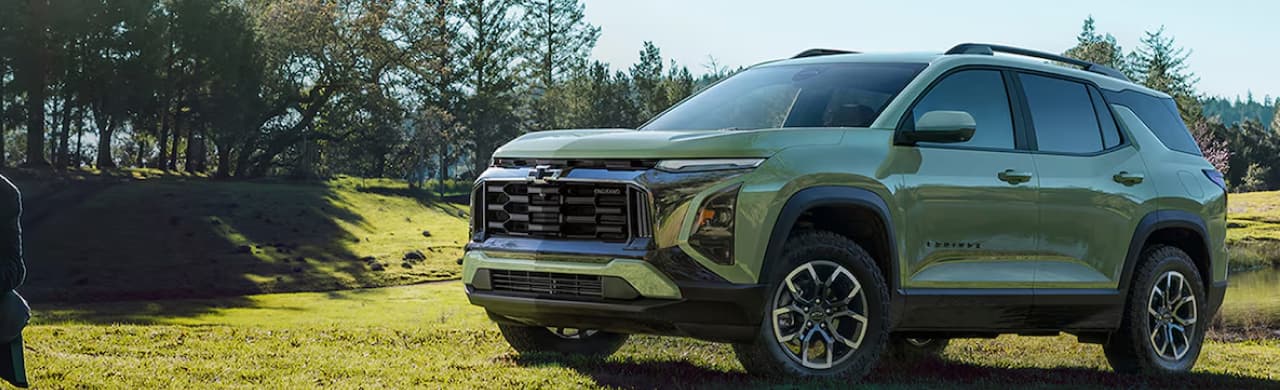
The 2026 Chevrolet Equinox is a practical and efficient SUV for drivers in Lansing, Michigan, but choosing between buying and leasing can significantly impact long-term costs—especially for those driving around 15,000 miles per year. At Sawyers Chevrolet, this is a common scenario for commuters who rely on their vehicle daily.
Lansing drivers often face a mix of city commuting, highway travel, and seasonal weather challenges. With higher annual mileage, your financing decision becomes even more important.
Understanding how leasing and buying compare at 15,000 miles per year can help you make the right choice.
Leasing can still be an option for higher-mileage drivers, but it comes with considerations.
Leasing benefits:
Lower monthly payments
Ability to upgrade to a new model every few years
Warranty coverage during the lease term
Minimal long-term commitment
However, mileage limits are the biggest factor.
Most leases:
Include mileage caps (often 10K–15K per year)
Charge fees for exceeding limits
Require careful tracking of usage
For Lansing drivers right at 15,000 miles annually, leasing may work—but leaves little room for extra driving.
Buying is often the better option for drivers with consistently high mileage.
Buying advantages:
No mileage restrictions
Freedom to drive as much as needed
Long-term ownership value
No end-of-lease fees
For commuters traveling across Lansing and nearby cities, buying eliminates mileage stress.
When driving 15,000 miles annually, cost differences become more noticeable.
Leasing:
Lower monthly payments
Possible overage fees if mileage increases
No equity in the vehicle
Buying:
Higher monthly payments initially
Builds equity over time
Lower long-term cost after payoff
For high-mileage drivers, buying typically becomes more cost-effective in the long run.
Driving patterns in Lansing often result in higher-than-expected mileage.
Common factors:
Daily commuting to work
Highway travel across Michigan
Seasonal trips and errands
Winter detours and longer routes
Even drivers who estimate 15,000 miles per year may exceed that, which can affect lease costs.
Michigan winters add additional wear to any vehicle.
Leasing concerns:
Charges for excessive wear and tear
Tire and brake wear from snow and ice
Exterior wear from road salt
Buying advantages:
No penalties for wear
Full control over maintenance decisions
Better suited for long-term use in harsh conditions
Choosing between leasing and buying often comes down to priorities.
Lease if you:
Want lower monthly payments
Prefer driving newer vehicles frequently
Are you confident you will stay within mileage limits
Buy if you:
Drive around 15,000 miles or more annually
Plan to keep the vehicle long-term
Want to avoid mileage and wear penalties
Is leasing good for 15,000 miles per year?
It can work, but there is little flexibility if you exceed mileage limits.
Is buying better for high-mileage drivers?
Yes, it eliminates mileage restrictions and is more cost-effective in the long term.
Do leases charge for extra miles?
Yes, exceeding mileage limits results in additional fees.
Does winter affect lease costs?
Yes, wear and tear from winter conditions may result in additional charges.
Written for https://vehiclesforsalenearlansing.com
By the USA TODAY Network Automotive Insights Team, in collaboration with Sawyers Chevrolet and the Vehicles For Sale Near Lansing State Journal.